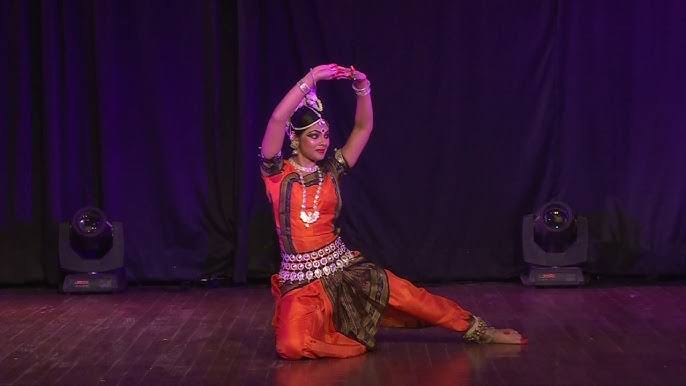
Pataaka Hasta, the first of the 28 single-handed Mudras described in the Abhinaya Darpana, holds significant versatility in Indian classical dance.
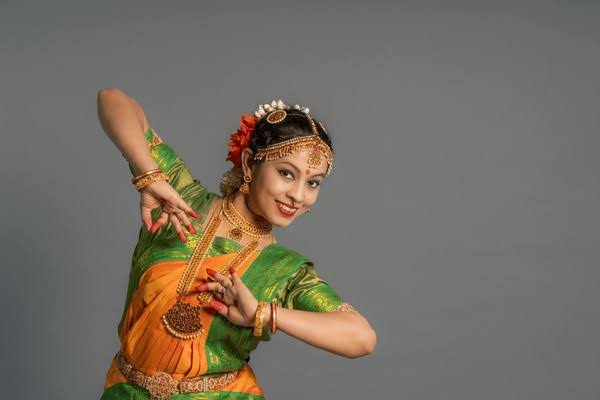
Translated as “Flag Hand” (“Pataaka” meaning “Flag” and “Hasta” meaning “Hand”), this Mudra serves multiple symbolic purposes across dance forms. Its adaptability makes it one of the most widely used and expressive gestures in traditional Indian choreography and storytelling.
Benefits
Enhances Expressive Storytelling: Pataaka Hasta is versatile, allowing dancers to convey various emotions and actions, such as stopping, blessing, or showing respect.
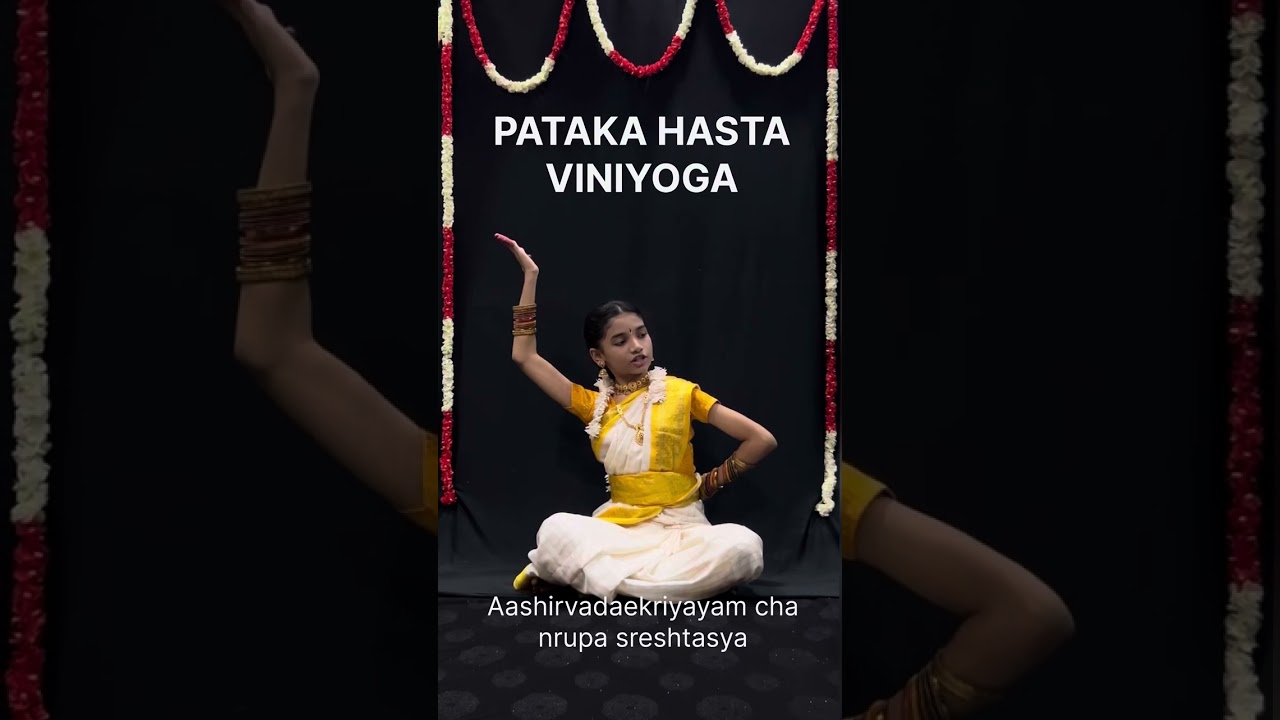
Improves Focus and Coordination: Practicing this Mudra can help dancers enhance hand-eye coordination and refine movement precision.
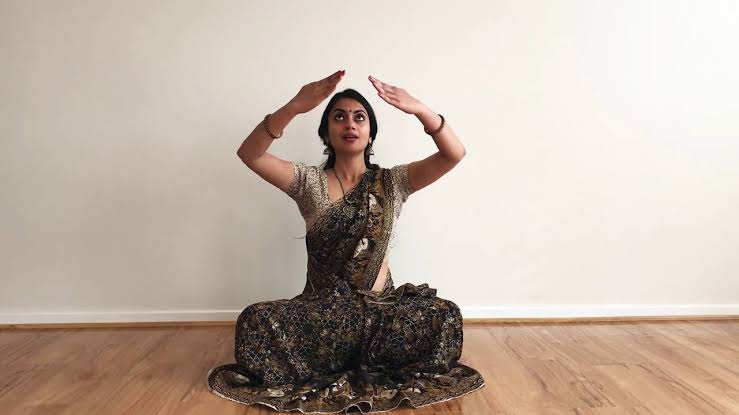
Boosts Cultural Understanding: Learning the meanings and applications of Pataaka Hasta deepens an appreciation of cultural heritage and traditional Indian storytelling